



You’ve been through the hassle of an accident, dealt with the insurance company, and waited for your car to be repaired. You should be able to trust that it’s been returned to you in safe, pre-accident condition. Unfortunately, not all body shops uphold the same standards. Sometimes, to cut costs or time, corners are cut, leaving you with a vehicle that looks fine on the surface but is fundamentally flawed.
If your car feels “off” after a repair, trust your instincts. At Bradenton Body Repair, we specialize in being the solution to a bad repair experience. Here are the 5 most common signs that your car wasn’t repaired properly and how our expert team can make it right.
1. Poor Panel Fit and Noticeable Gaps
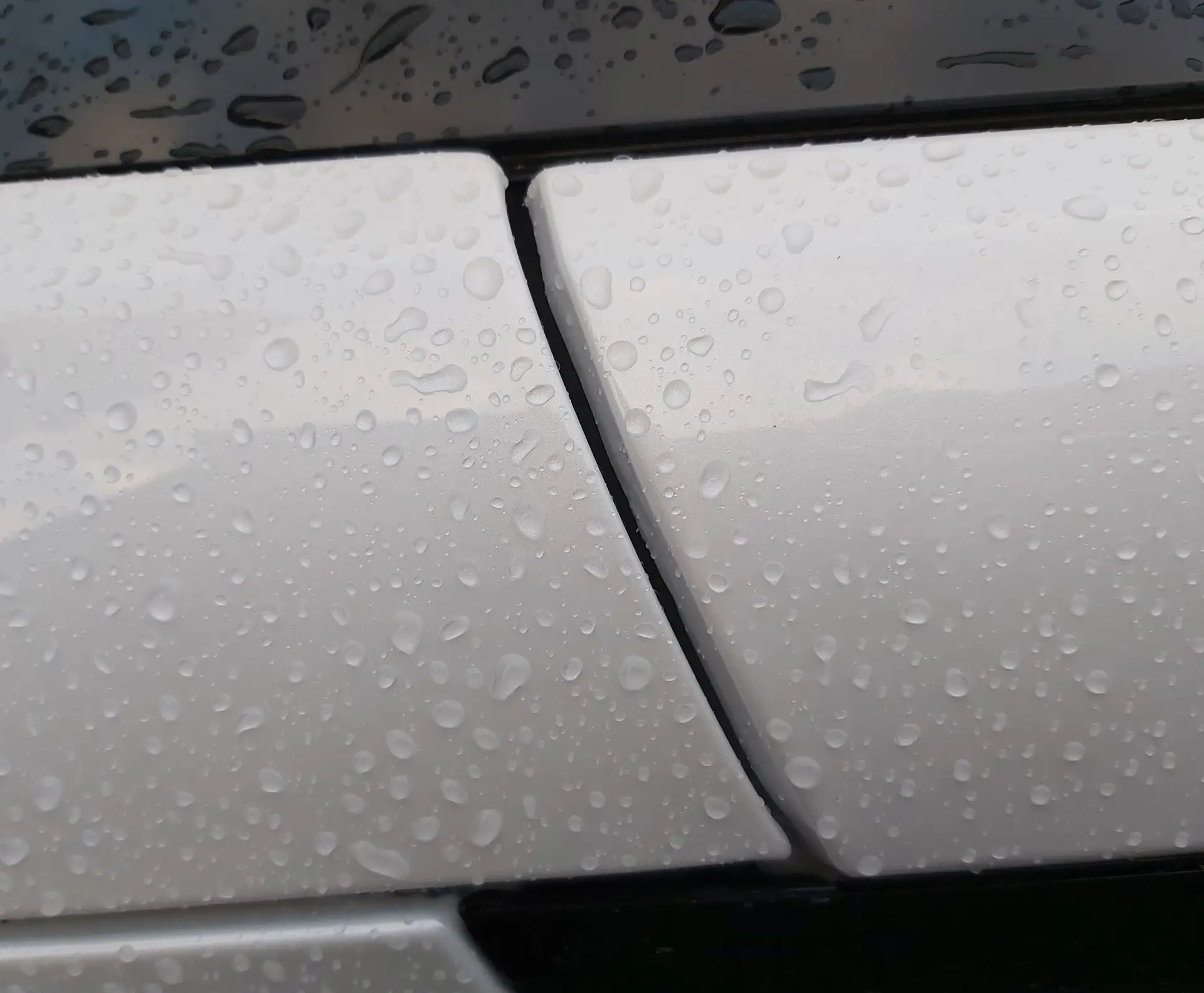
When you look at your car from the side, the body lines should flow seamlessly from one panel to the next. The gaps between the doors, fenders, hood, and trunk should be even and consistent.
- The Sign: Uneven, too-wide, or too-tight gaps. A door that sits flush at the top but sticks out at the bottom. A hood or trunk that is misaligned.
- What It Means: This is a classic sign of rushed work or unskilled technicians. It often indicates that underlying structural damage wasn’t corrected or that replacement parts were improperly installed. This isn’t just cosmetic; misaligned panels can lead to wind noise and water leaks.
- How We Fix It: We disassemble the affected area, diagnose the root cause (often a misaligned frame or unibody component), and use our computerized measuring system to guide the proper correction and reassembly.
2. The Car Pulls to One Side or the Steering Wheel Is Off-Center
Your car should drive straight with the steering wheel centered on a flat road. If it doesn’t, something is wrong.
- The Sign: You have to constantly correct the steering to keep the car going straight. The steering wheel is crooked even when driving straight.
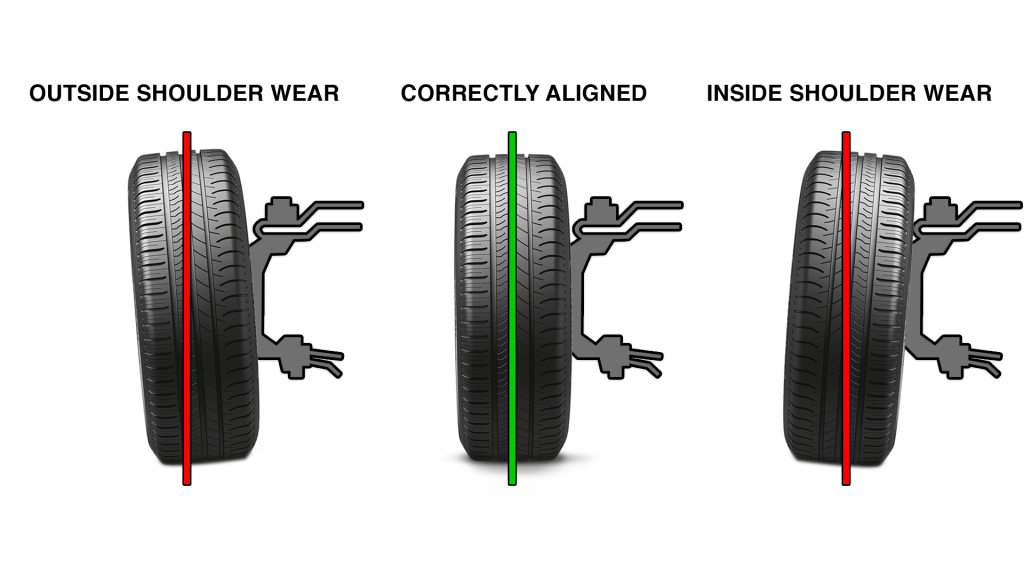
- What It Means: This is a major red flag for unrepaired structural or suspension damage. A bent frame rail, strut, or control arm will throw the entire alignment of the vehicle out of specification. This is a critical safety issue that causes dangerous handling and rapid tire wear.
- How We Fix It: We put the car on our alignment rack and perform a full four-wheel alignment. If the system can’t achieve specifications, it confirms underlying damage. We then use our frame rack to pull the structure back to factory specs before realigning.
3. Mismatched Paint or Poor Paint Quality
A quality paint job should be invisible. The color, texture, and gloss should perfectly match the rest of the vehicle from every angle.
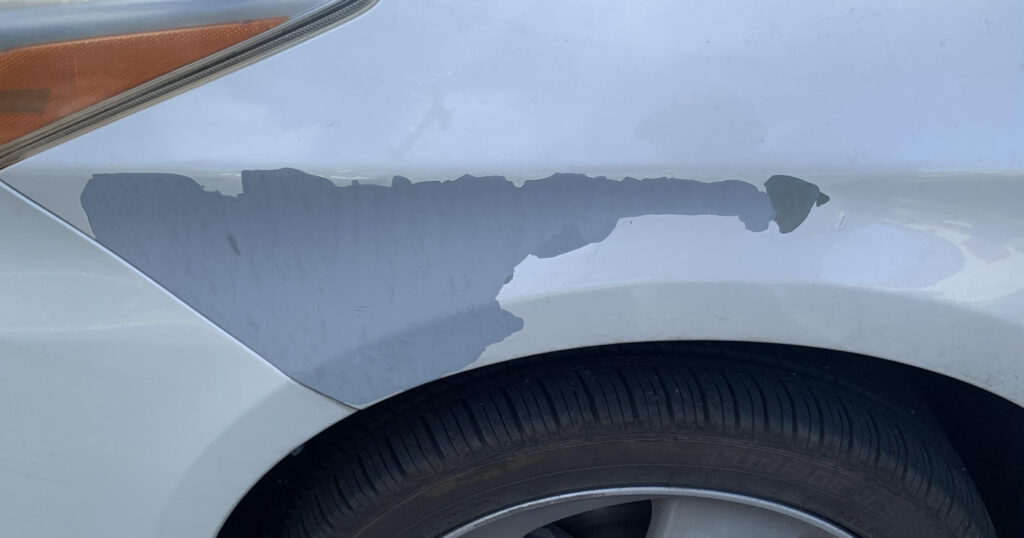
- The Sign: The new paint is a slightly different shade (metallic flakes may look different), has a “orange peel” texture, or lacks the depth and clarity of the original finish. Overspray on trim, windows, or rubber seals is another telltale sign of a sloppy job.
- What It Means: The shop skipped essential steps like proper color matching, blending into adjacent panels, or using a dedicated paint booth. This devalues your car and the poor finish will likely degrade faster.
- How We Fix It: Our solution is paint correction or a complete repaint. We meticulously color-match using advanced spectrophotometers, properly prepare adjacent panels for blending, and apply paint in our state-of-the-art, climate-controlled booth for a flawless, factory-quality finish.
4. Strange Noises: Squeaks, Rattles, and Clunks
Your car was quiet before the accident. It should be quiet after.
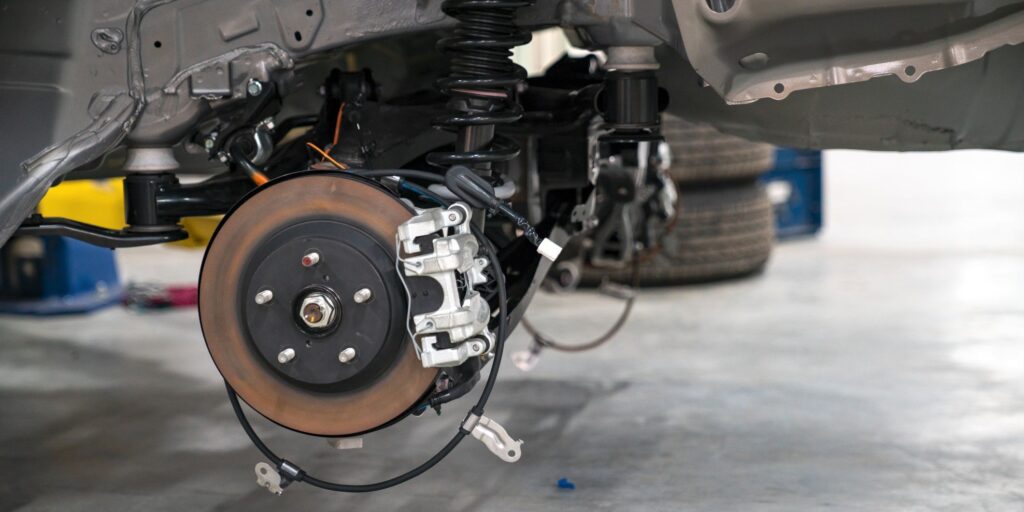
- The Sign: New and persistent noises—squeaking from the suspension over bumps, rattling from the dashboard or interior panels, or clunking sounds when turning or braking.
- What It Means: Components were not reinstalled correctly. This could be loose bolts, broken clips, missing insulation, or damaged suspension parts that were overlooked. These noises are symptoms of underlying installation errors.
- How We Fix It: We track down the source of every noise. This often requires disassembly, inspection, and proper reassembly using correct fasteners and techniques to ensure everything is tight and secure.
5. Advanced Safety Features No Longer Work Correctly
If your lane departure warning, automatic emergency braking, or adaptive cruise control is acting erratically or is disabled after a repair, it’s a huge warning sign.
- The Sign: Warning lights on your dash related to safety systems. The systems behave illogically (e.g., braking for no reason) or don’t engage when they should.
- What It Means: The shop failed to recalibrate the ADAS sensors after reassembly. This is perhaps the most dangerous repair error, as it renders your primary safety systems useless and puts you at risk.
- How We Fix It: We perform a full diagnostic scan and then use OEM-approved calibration targets and procedures to dynamically calibrate every camera, radar, and sensor. This ensures your safety systems are 100% functional.

You Don’t Have to Live With a Bad Repair
A subpar repair is more than an inconvenience; it’s a safety hazard that diminishes your car’s value. If you recognize any of these signs, it’s crucial to get a second opinion from a shop that believes in doing things right.
Don’t let another shop’s mistake cost you your safety and peace of mind. If your car doesn’t feel right after a repair, bring it to the experts at Bradenton Body Repair. We offer a complimentary Second Opinion Inspection to thoroughly assess the quality of the previous work. We’ll provide you with a detailed report and a transparent quote to fix it properly, backed by our lifetime warranty. You deserve a repair that is truly “good as new.” Schedule your free inspection today.